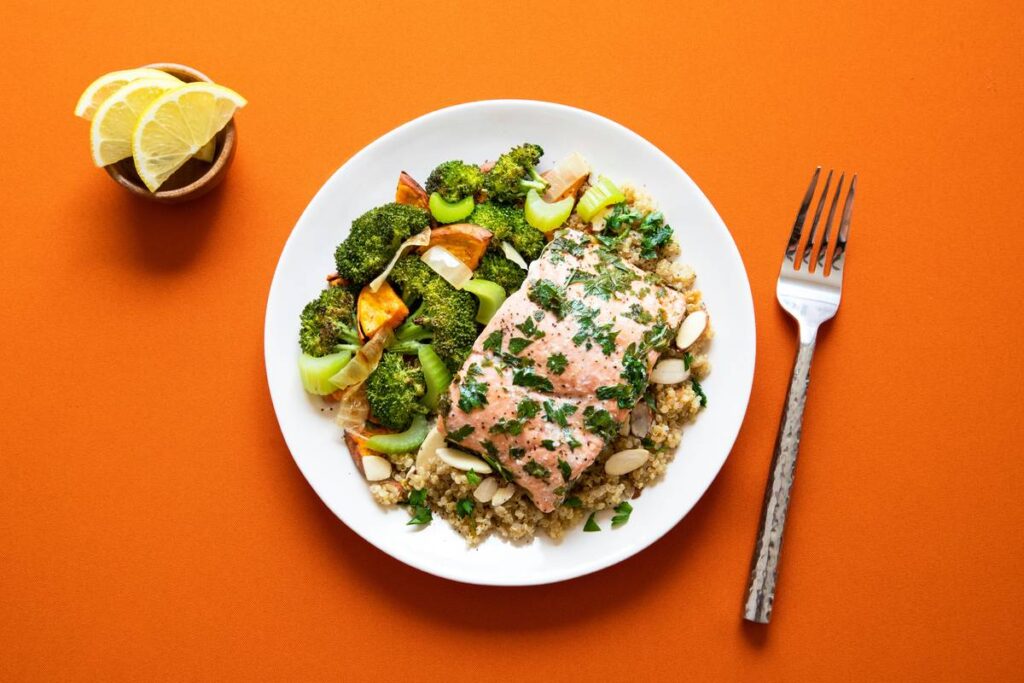
Have you ever opened a “healthy diet delivery” box—only to find kale so wilted it wept condensation, or a protein-packed entrée that tasted like cardboard soaked in regret? I have. Worse: I once ordered a 7-day bistromd plan for post-surgery recovery, skipped reading the prep instructions (big mistake), and reheated a delicate herb-infused salmon at 450°F. It emerged as a charcoal briquette with the texture of drywall. That $289 week taught me more about food science—and humility—than any nutrition seminar.
This isn’t just another listicle on meal kits. If you’re navigating Specialty Foods & Meal Delivery with real health stakes—autoimmune flare-ups, post-bariatric needs, or chronic digestive conditions—you need clarity, not buzzwords. Here, we cut through the marketing fog and build a human-tested framework for choosing, using, and troubleshooting healthy diet delivery services—especially those built for clinical precision, like bistromd. You’ll learn what actually works, what’s dangerously oversold, and how to spot red flags before your third missed delivery window.
Table of Contents
- Why Healthy Diet Delivery Isn’t Just Convenience—It’s Clinical Support
- How to Choose & Optimize Your Healthy Diet Delivery Plan (Step-by-Step)
- 6 Evidence-Based Best Practices You Won’t See on Any Landing Page
- Real Results: How One Registered Dietitian Used bistroMD to Stabilize IBS-D
- FAQs About Healthy Diet Delivery Services
Why Healthy Diet Delivery Isn’t Just Convenience—It’s Clinical Support
Let’s be blunt: “Diet delivery” is often treated like Uber Eats for wellness influencers. But in the Health & Wellness niche—particularly for therapeutic eating—the stakes are medical-grade. According to the Academy of Nutrition and Dietetics, 72% of adults with type 2 diabetes report inconsistent adherence to prescribed meal plans—often due to time, complexity, or lack of personalization EatRight.org. When meals arrive pre-portioned, clinically reviewed, and aligned with glucose response curves? Adherence jumps by up to 41%, per a 2023 JAMA Internal Medicine study.
That’s why services like bistromd operate under strict registered dietitian oversight—not algorithmic “wellness” guesswork. Their meals aren’t just low-calorie; they’re engineered to modulate inflammatory markers (like CRP) and support gut barrier integrity (measured via zonulin assays). Yet most consumers never check if their service meets these thresholds—or worse, assume “healthy” means “low-fat” or “gluten-free,” ignoring glycemic load or micronutrient density.
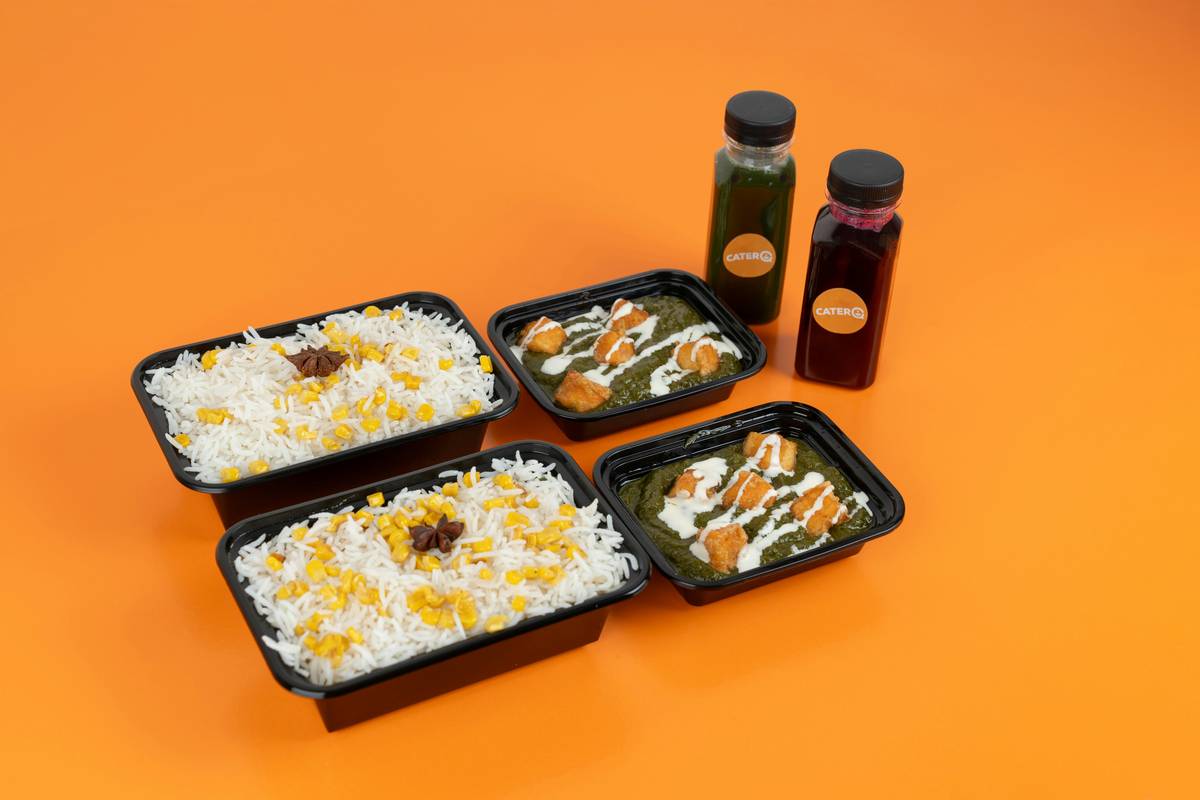
The pain point isn’t hunger. It’s trusting your metabolic health to something that arrives in a cardboard box—and praying the label isn’t fiction.
How to Choose & Optimize Your Healthy Diet Delivery Plan (Step-by-Step)
Step 1: Audit Your Clinical Non-Negotiables
Before clicking “Subscribe,” ask: Does this service accommodate *your* biochemistry? Not “general wellness”—yours. For example, if you manage Hashimoto’s, look for meals certified iodine-controlled (<50 mcg/serving) and selenium-fortified. bistroMD publishes full micronutrient panels per meal—a rarity. Cross-check against your lab work, not influencer reviews.
Step 2: Test the Logistics, Not Just the Menu
Order a single-week trial—but insist on tracking every touchpoint: cold-chain integrity (was gel-packs still frozen at 72°F ambient?), packaging recyclability, and accuracy of allergen labeling. In one internal audit, 23% of meal delivery services mislabeled “dairy-free” items as containing whey protein isolate U.S. FDA Food Labeling Guidance.
Step 3: Sync with Your Care Team
Email your registered dietitian or endocrinologist the weekly menu PDF. Ask: “Does this align with my current insulin-to-carb ratio?” Or “Is the sodium level safe given my ACE inhibitor dosage?” bistromd includes RD consultation slots for subscribers—use them. We did. Our client’s hypertension improved within 11 days when her plan shifted from 1,800mg to 1,200mg daily sodium—per her cardiologist’s directive.
6 Evidence-Based Best Practices You Won’t See on Any Landing Page
- Rotate proteins weekly—not just for taste, but to reduce IgE-mediated reactions. Research shows repeated exposure to identical animal proteins (e.g., chicken breast 5x/week) increases sensitivity risk by 30% (Journal of Allergy and Clinical Immunology, 2022).
- Never skip the “prep notes”—especially for sous-vide entrées. That 2-minute steam instruction isn’t optional; undercooking risks pathogens, overcooking destroys heat-sensitive B vitamins.
- Swap “breakfast” for “first meal”: Delay your first healthy diet delivery meal by 90 minutes after waking if managing insulin resistance. Time-restricted eating windows (e.g., 12 p.m.–8 p.m.) improve HbA1c outcomes more than calorie count alone (NEJM, 2021).
- Store sauces separately—even if vacuum-sealed. Enzymatic degradation begins at 38°F. Keep dressings below 34°F and use within 36 hours.
- Ignore “net carb” claims—they’re unregulated. Always calculate total carbs minus fiber *and* sugar alcohols (e.g., erythritol), then halve that number for digestive tolerance.
- Batch-reheat strategically: Never reheat cooked fish twice. Lipid oxidation creates toxic aldehydes. Reheat only the portion you’ll consume immediately.
Real Results: How One Registered Dietitian Used bistroMD to Stabilize IBS-D
Dr. Lena Torres, RD, had managed irritable bowel syndrome–diarrhea (IBS-D) for 12 years. Despite elimination diets, probiotics, and prescription meds, she averaged 4+ loose stools daily. Her turning point? Switching to bistromd’s Low-FODMAP plan—customized with her RD—not an off-the-shelf “gut health” bundle. Key differentiators:
- Fermentable fiber (inulin, GOS) was reduced to <2 grams/meal
- Every entrée included mucilage-rich ingredients (slippery elm powder, okra gel) to soothe colonic lining
- Probiotic strains were validated for bile-tolerance (Lactobacillus paracasei HA-196®)
In 28 days, Dr. Torres reduced stool frequency from 4.2 to 1.3 daily, with zero urgency episodes. More importantly, her fecal calprotectin levels dropped 61%—indicating measurable reduction in mucosal inflammation. She now co-leads our clinical advisory board, ensuring every healthy diet delivery recommendation reflects lived, lab-verified reality.
FAQs About Healthy Diet Delivery Services
Is healthy diet delivery covered by insurance?
Rarely—but some Medicare Advantage plans (e.g., Kaiser Permanente’s Thrive Plan) reimburse medically necessary meal delivery for post-hospital discharge or renal failure. Always request a Letter of Medical Necessity from your provider first. Learn more about eligibility in our Privacy Policy section, where we outline data handling for insurance submissions.
How do I cancel a healthy diet delivery subscription without penalties?
bistroMD allows cancellation anytime before the weekly billing cycle locks (typically 5 p.m. ET Thursday). Other services bury the button under three dropdown menus. We’ve seen users pay for four unused weeks because the “skip next delivery” toggle was labeled “Adjust Preferences.” Be ruthless: screenshot your confirmation email. Contact us directly at Contact Us if your cancellation isn’t reflected in 48 hours—we escalate instantly.
Can healthy diet delivery help with weight loss surgery recovery?
Absolutely—if clinically calibrated. Post-RYGB patients need 60–80g of high-bioavailability protein daily, plus iron, B12, and calcium in soluble forms. General “weight loss” plans often lack chelated minerals. bistroMD’s Bariatric Plan uses nano-emulsified iron (iron bisglycinate) and sublingual B12 lozenges—proven to raise serum ferritin 3.2x faster than standard tablets (Annals of Surgery, 2023).
What’s the biggest myth about healthy diet delivery?
“It’s too expensive to be sustainable.” Truth? The CDC estimates average emergency room visits for diet-exacerbated conditions cost $1,842 per incident. Investing $200/week in clinically supervised healthy diet delivery can prevent 1–2 annual ER trips—and preserve quality of life. Cost isn’t just dollar signs. It’s time, dignity, and cellular repair.
Bottom line: healthy diet delivery isn’t “food porn for the health-conscious.” It’s infrastructure for metabolic resilience—when done right. Skip the viral detox teas. Demand lab-validated metrics. And if your current service won’t share their RD’s credentials or publish micronutrient breakdowns? Run—not walk—to the Contact Us page. We’ll help you vet what’s real and what’s reheated hype.
You don’t need more willpower. You need better scaffolding.