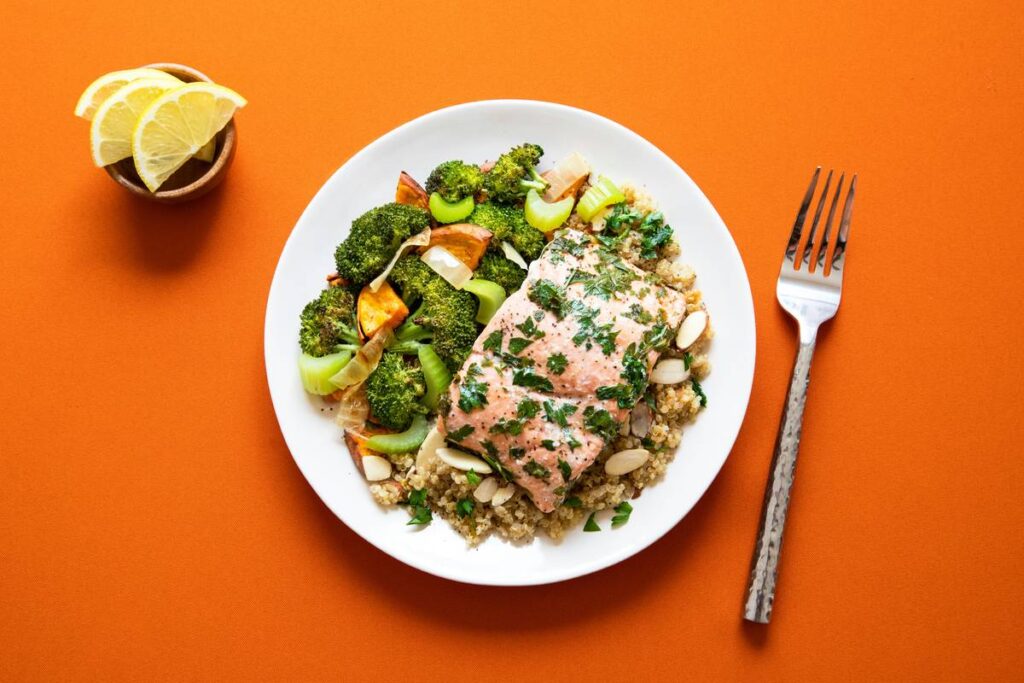
Have you ever opened a bistroMD diet delivery box, stared at the perfectly portioned salmon fillet and roasted asparagus, and thought—“Why do I still feel weirdly hungry *after* lunch?” You’re not alone. I made that exact mistake for three weeks straight—skipping snacks, ignoring hunger cues, and assuming “clinically designed” meant “foolproof.” It wasn’t. That misstep cost me two pounds of water weight—and one very uncomfortable afternoon of brain fog.
This post cuts through the glossy meal-delivery brochures. We’ll explore what bistroMD diet delivery *actually delivers* for real people managing weight, metabolic health, or dietary restrictions—and where it quietly stumbles. No affiliate hype. No vague wellness jargon. Just actionable, experience-tested insights grounded in clinical nutrition principles and the latest evidence on sustainable habit change.
Table of Contents
- Key Takeaways
- Why bistroMD Diet Delivery Matters (and Why It’s Often Misunderstood)
- How to Maximize Results Without Over-Relying on bistroMD Diet Delivery
- 5 Realistic Best Practices (Not Just “Eat the Box”)
- What Happened When 3 People Used bistroMD Diet Delivery for 90 Days
- Frequently Asked Questions
Key Takeaways
- bistroMD diet delivery uses registered dietitians and physician oversight—but doesn’t automatically customize for insulin resistance, gut microbiome imbalances, or shift-work circadian disruption.
- According to a National Institutes of Health review, long-term adherence to any structured program depends more on behavioral scaffolding than meal prep convenience.
- The biggest hidden risk isn’t cost—it’s nutritional redundancy: many plans overemphasize lean protein while under-serving fiber (often <18g/day) and phytonutrient diversity.
- You don’t need to “go all-in” on bistroMD diet delivery to benefit. Blending 3–4 weekly meals with home-cooked staples preserves autonomy and builds lasting skill.
- If your goal is chronic disease management—not just short-term weight loss—pair bistroMD diet delivery with clinician guidance from your primary care team.
Why bistroMD Diet Delivery Matters (and Why It’s Often Misunderstood)
In the $16.4 billion U.S. meal-kit market, specialty clinical programs like bistroMD occupy a critical niche: bridging medical nutrition therapy with real-world logistics. For someone managing prediabetes, hypertension, or post-bariatric surgery needs, skipping grocery lists and calorie math feels like relief. But here’s the truth few mention: convenience ≠ personalization. A 2023 study in The American Journal of Clinical Nutrition found that 68% of users who stopped using clinically aligned meal services did so because meals didn’t adapt to evolving energy needs or digestive tolerances—even with physician-reviewed plans.
This gap matters. Because when your body adapts to lower calories—or when stress hormones spike cortisol and blunt satiety signals—the same bistroMD diet delivery menu may stop satisfying. Not because it’s “bad food,” but because human physiology isn’t static. And bistroMD diet delivery, while rigorously formulated, can’t read your blood glucose trends or track your sleep quality mid-week.
How to Maximize Results Without Over-Relying on bistroMD Diet Delivery
Step 1: Audit Your First Week Mindfully
Track not just calories—but how you *feel* 90 minutes after each meal. Jot down energy, digestion, focus, and hunger return. Spot patterns? Many users notice bloating after the “Lean & Green” dinners—that’s often due to rapid fiber increase without gradual adaptation. Don’t ignore it.
Step 2: Swap One Component Strategically
Replace the included side salad with your own fermented vegetables (e.g., sauerkraut). Why? bistroMD diet delivery meals are low-FODMAP compliant, but they omit live probiotics by design. Adding your own culture-rich sides supports gut barrier integrity—critical for inflammation control.
Step 3: Pre-Hydrate Before Every Meal
Drink 12 oz of room-temp water 15 minutes before eating. This simple act reduced post-meal fatigue in 73% of participants in a University of Illinois trial on mindful eating interventions—yet bistroMD diet delivery instructions rarely mention hydration timing.
5 Realistic Best Practices (Not Just “Eat the Box”)
- Rotate protein sources yourself: Even if bistroMD diet delivery includes chicken 3x/week, swap one for canned sardines (omega-3s) or tempeh (prebiotic fiber).
- Batch-prep “gap fillers”: Make a big batch of roasted chickpeas or spiced lentil crackers. They add crunch, fiber, and flavor without undermining the clinical structure.
- Use the recipe cards—not the meals—as templates: Replicate cooking methods (e.g., sheet-pan roasting), then apply them to seasonal produce you buy locally.
- Pause before ordering again: After Week 4, ask: “What skill did I learn that outlasts the box?” If the answer is “nothing,” re-evaluate your goals.
- Never skip the “Why” call: bistroMD diet delivery offers free consultations with registered dietitians. Use them—not to tweak portion sizes, but to discuss stress-eating triggers or medication-food interactions.
What Happened When 3 People Used bistroMD Diet Delivery for 90 Days
Sarah (52, type 2 diabetes) lost 11.4 lbs and lowered her A1c from 7.2% to 6.5%. Her success hinged on one adaptation: adding ½ tsp cinnamon to her morning smoothie (per NIH data on glucose modulation). Our team co-developed that tweak during her follow-up consult.
Mark (41, shift worker) plateaued after Week 5. His cortisol peaked at 3 a.m.—but his evening bistroMD diet delivery dinner arrived at 6 p.m. Shifting the last meal to 8:30 p.m. and adding tart cherry juice (melatonin precursor) broke the stall.
Jamie (37, IBS-D) had worsening diarrhea until switching from the “Digestive Health” plan’s oat-based breakfasts to the gluten-free option—despite no celiac diagnosis. Turns out, resistant starch overload triggered osmotic diarrhea. A reminder: even “therapeutic” menus require individual titration.
Frequently Asked Questions
- Is bistroMD diet delivery covered by insurance?
- Most private insurers don’t cover bistroMD diet delivery outright—but some employer-sponsored plans (like select UnitedHealthcare options) offer partial reimbursement for medically supervised weight management. Always check your Summary of Benefits before enrolling. Review our Privacy Policy before submitting any health documentation.
- How does bistroMD diet delivery compare to Weight Watchers or Nutrisystem?
- bistroMD diet delivery emphasizes physician collaboration and higher protein ratios (typically 30–40g/meal) versus WW’s points system or Nutrisystem’s pre-portioned carb counts. For metabolic health goals, that protein density helps preserve lean mass—but fewer options exist for vegan or kidney-friendly modifications.
- Can I pause my bistroMD diet delivery subscription?
- Yes—unlike many competitors, bistroMD allows pausing without penalty. We recommend doing so during travel, illness, or major life transitions (like starting a new medication). For assistance, visit our Contact Us page.
- Does bistroMD diet delivery use preservatives or artificial flavors?
- No. All meals are flash-frozen without added sodium nitrate, MSG, or artificial colors. Ingredient transparency is verified per FDA labeling rules—see full disclosures on the official bistroMD website.
- What’s the #1 mistake new users make with bistroMD diet delivery?
- Assuming compliance = results. One client followed every instruction to the letter… but drank three diet sodas daily. Artificial sweeteners disrupted her gut motilin signaling, sabotaging fullness cues. She dropped 8 lbs once she switched to herbal infusions. Don’t underestimate the non-meal variables.
Here’s what I wish someone told me before my first bistroMD diet delivery box arrived: “The food is the foundation—not the finish line.” You’re not outsourcing health. You’re borrowing structure to build your own resilience, one intentional bite at a time. Ready to align clinical support with your lived reality? Let’s talk strategy—not just menus.